

Canada’s GDP Growth Patterns Explained
Breaking down the quarterly growth figures, sector contributions, and what slower or faster growth means for households and businesses across the country.
Read MoreExplore the forces shaping the Canadian economy — from GDP growth and inflation pressures to interest rate decisions and employment trends. Get the insights you need to understand what’s happening in the economy.

Latest articles exploring Canada’s economic trends, policy decisions, and market outlook
Breaking down the quarterly growth figures, sector contributions, and what slower or faster growth means for households and businesses across the country.
Read More
Understand what inflation really is, why prices rise, and how it impacts purchasing power. We’ll look at Canada’s recent inflation trends and what economists expect ahead.
Read More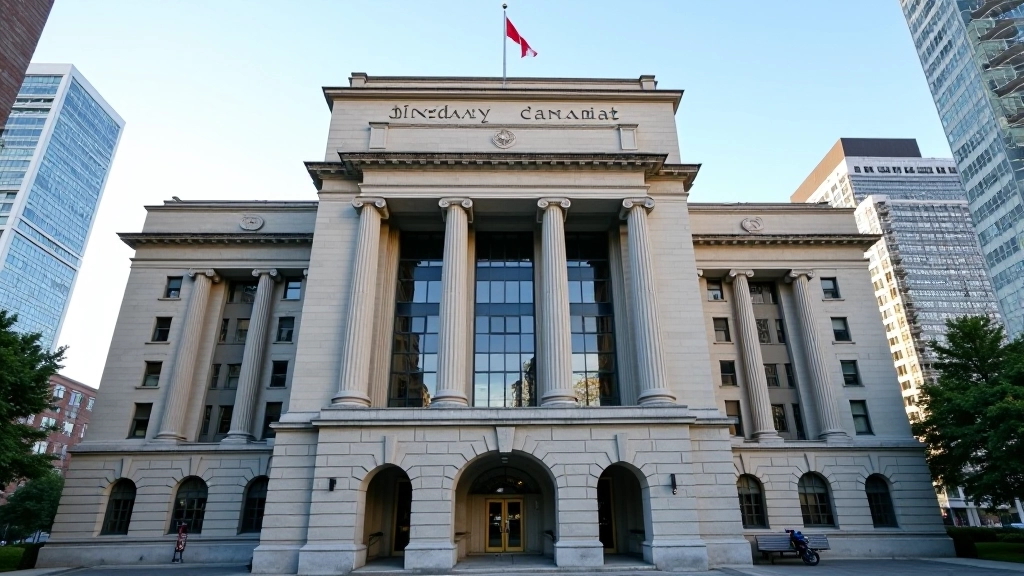
What does the Bank of Canada actually do? Learn how interest rate decisions work, why they matter for your mortgage and savings, and how policy shapes economic conditions.
Read More
Unemployment rates, wage growth, sector shifts — these numbers tell the story of Canada’s job market. See what the data reveals about employment opportunities and economic health.
Read MoreQuarterly growth shows how fast the economy’s expanding. Positive growth signals a healthy economy, while negative quarters suggest contraction. Canada’s growth has been modest but variable in recent quarters.
Measured as year-over-year percentage change in consumer prices. The Bank of Canada targets 2% inflation. Recent inflation has fluctuated significantly, affecting cost of living and policy decisions.
The rate the Bank of Canada sets influences borrowing costs for mortgages, car loans, and business investments. Higher rates cool inflation but also make debt more expensive for households.
Shows the percentage of the working-age population that’s employed. Rising employment suggests economic strength, while rising unemployment can signal economic stress or transition periods.
Understanding the outlook helps you see what’s coming and why different economic forecasts matter for policy and planning
The Bank of Canada adjusts rates based on inflation and growth. Current expectations suggest rates will remain in a specific range as policymakers balance inflation concerns with growth support.
GDP growth forecasts depend on consumer spending, business investment, and exports. Economists monitor both domestic demand and global economic conditions that affect Canadian trade.
Employment forecasts consider sectoral shifts, wage pressures, and demographic changes. Tight labor markets can drive wage growth but also raise inflation concerns.
Inflation forecasts guide rate decisions. If inflation’s expected to stay elevated, the Bank of Canada may keep rates higher. Falling inflation might allow for rate cuts to support growth.