
How Inflation Affects Your Wallet
Understand what inflation really is, why prices rise, and how it impacts purchasing power and financial planning across different demographics.
Read MoreBreaking down the quarterly growth figures, sector contributions, and what slower or faster growth means for households and businesses across the country.
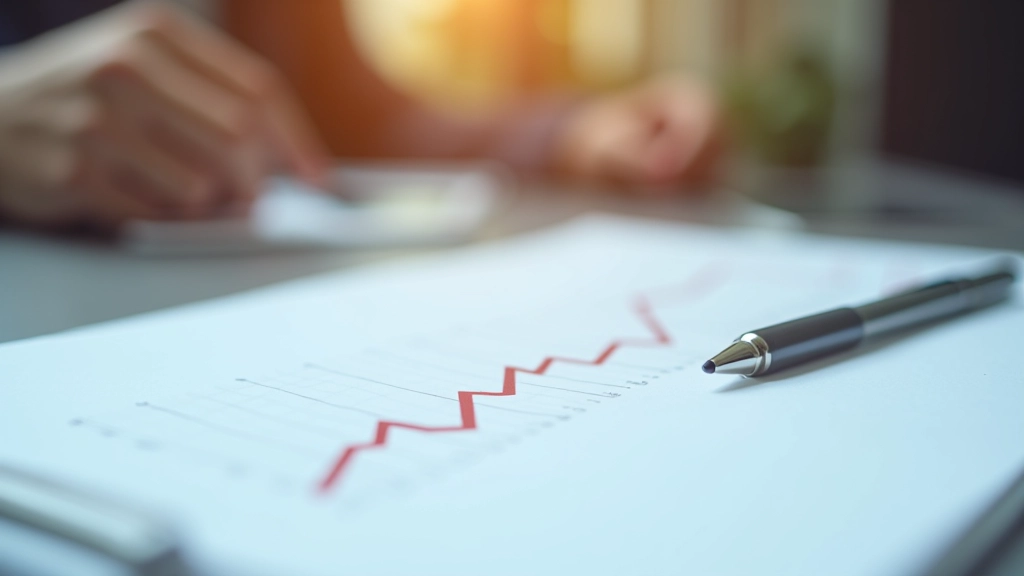
GDP — Gross Domestic Product — gets thrown around in news reports constantly. But what does it really mean? Think of it as a report card for the entire economy. It measures the total value of goods and services produced within Canada’s borders over a specific period, usually a quarter (three months).
When GDP grows, it’s generally good news. The economy’s expanding, businesses are producing more, and there’s more activity happening. But it’s not that simple. Growth rates matter enormously — a 3% quarterly increase tells a completely different story than 0.5%. That’s the difference between a roaring economy and one just barely keeping pace with inflation.
What makes Canada’s growth patterns particularly interesting right now is the mix of sectors driving change. Some areas are booming while others are struggling. Understanding these patterns helps you see where opportunities and challenges exist — whether you’re a business owner planning investments or someone watching your job market prospects.

Canada’s GDP growth has been somewhat modest compared to historical averages. Over the past couple of years, we’ve seen quarterly growth rates hovering between 0.3% and 0.8%. That might not sound dramatic, but annualized it means the economy’s growing at 1-3% per year — which matters when you consider population growth is also happening simultaneously.
Here’s what’s important: slower growth doesn’t mean the economy’s broken. It means growth is being tested. Inflation’s been a major headwind, pushing the Bank of Canada to raise interest rates, which slows spending and investment. Consumers are more cautious. Businesses are holding back on expansion plans. This is exactly what happens when central banks try to cool down an overheated economy.
The real question isn’t whether growth is fast or slow — it’s whether it’s sustainable. A 2% annual growth rate that stays consistent beats 4% growth that crashes to negative. Canada’s been trying to find that balance, adjusting policy as conditions shift.

GDP doesn’t grow evenly. Different sectors contribute at different rates, and that’s where you start seeing the real story. Canada’s energy sector — particularly oil and gas — has been a major growth driver. When global energy prices rise, Canadian producers benefit, and that flows through to the broader economy.
Technology and professional services are also growing, though more modestly. Manufacturing’s been under pressure, competing with global competition and dealing with higher input costs. Retail and hospitality bounced back after pandemic disruptions but haven’t maintained explosive growth.
Oil, gas, and renewable energy combined represent roughly 10-12% of Canada’s economy and remain a significant growth contributor.
Banking, insurance, and investment services make up about 7% of GDP and show steady growth despite interest rate volatility.
Software, telecommunications, and digital services are growing faster than the overall economy, though from a smaller base.

Here’s something that confuses a lot of people: GDP can grow, but your actual purchasing power might not. That’s because there’s nominal GDP (the raw numbers) and real GDP (adjusted for inflation). When inflation’s running at 2-3% and GDP’s growing at 2-3%, real growth is basically flat. You’re not actually better off.
This matters enormously for ordinary Canadians. If your salary increases 2% but inflation’s 2.5%, you’ve actually lost purchasing power. Same thing happens at the economy-wide level. The Bank of Canada’s been focused on getting inflation back down to its 2% target, which involves slowing growth temporarily. It’s a deliberate trade-off.
“Real growth — growth after inflation — is what actually improves living standards. That’s what matters when evaluating whether the economy’s doing well.”
Understanding this distinction helps you interpret economic news more accurately. When headlines say “GDP grew 2.5%,” the next question should be “After inflation, was there real growth?” Usually, that answer’s more modest.

Slower GDP growth typically means fewer new jobs being created. Businesses are cautious about hiring when they’re uncertain about growth. That doesn’t mean the job market collapses, but competition for positions tends to increase.
If growth’s weak and inflation’s under control, the Bank of Canada might cut rates to stimulate the economy. Lower rates mean cheaper mortgages and loans, but also lower returns on savings. These trade-offs affect financial planning significantly.
Companies watch GDP growth closely when deciding whether to expand, upgrade equipment, or open new locations. Weak growth signals caution, which can slow productivity improvements down the road.
Government tax revenues depend on economic growth. Slower growth means less tax revenue, which affects public services and government spending priorities. Healthcare, education, and infrastructure can all be affected.
Canada’s GDP growth patterns aren’t random — they reflect deliberate policy choices, global market forces, and the structural strengths and challenges of the economy. Growth has been modest lately, but that’s partly intentional. The Bank of Canada’s been prioritizing inflation control over rapid expansion, which is a reasonable trade-off when prices are rising too fast.
What matters isn’t just whether GDP’s growing, but how that growth’s distributed across sectors and whether it translates to real improvements in living standards after inflation. A 3% nominal growth rate means nothing if inflation’s 4%. Conversely, 1% growth with 0.5% inflation represents genuine economic progress.
Keeping tabs on GDP figures helps you understand economic conditions, anticipate policy changes, and make better personal financial decisions. You don’t need to obsess over quarterly numbers, but understanding the patterns and what drives them? That’s genuinely useful knowledge for anyone participating in the Canadian economy.
Understanding GDP is just the starting point. Explore related topics about inflation, interest rates, and employment to get a complete picture of Canada’s economic landscape.
Browse All Economy TopicsThis article provides educational information about Canada’s GDP growth patterns and economic concepts. It’s not financial advice, economic forecasting, or investment guidance. Economic conditions change frequently, and GDP figures are regularly revised by Statistics Canada. For current official data, consult Statistics Canada’s website directly. If you’re making financial decisions based on economic conditions, consider speaking with a qualified financial advisor who understands your personal circumstances.
Understand what inflation really is, why prices rise, and how it impacts purchasing power and financial planning across different demographics.
Read More
What does the Bank of Canada actually do? Learn how interest rate decisions work and why central bank policy affects everything from mortgages to job growth.
Read More
Unemployment rates, wage growth, and sector shifts tell the story of Canada’s labor market. Learn what these numbers mean for your career prospects.
Read More