

Canada’s GDP Growth Patterns Explained
Breaking down the quarterly growth figures, sector contributions, and what slower growth means for jobs and incomes.
Read MoreWhat does the Bank of Canada actually do? Learn how interest rate decisions work, why they matter for your mortgage and savings, and how policy shapes economic conditions.
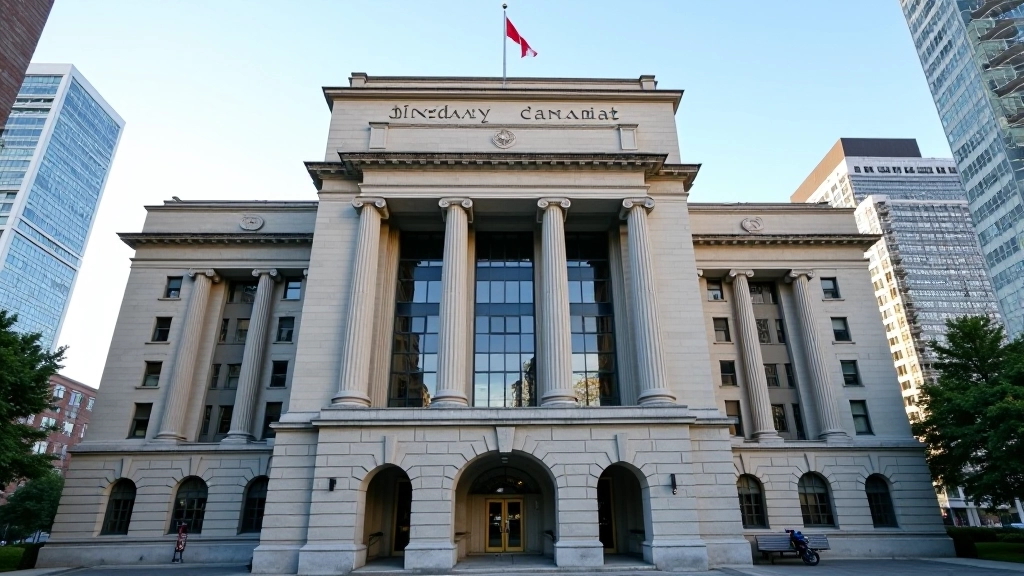
The Bank of Canada sits at the center of the country’s financial system, yet most people don’t really understand what it does or why it matters. It’s not a bank where you deposit money or get a mortgage — it’s the central bank that controls monetary policy and manages the nation’s money supply.
When the Bank of Canada makes decisions about interest rates, those choices ripple through the entire economy. They affect whether you’ll pay more for a mortgage, how much your savings account earns, and ultimately, how much things cost at the grocery store. We’re going to break down how this institution works and why their policy decisions matter to your financial life.

The Bank of Canada has a mandate — a formal job description that guides everything it does. The central bank’s main responsibilities are to maintain price stability and support full employment. These aren’t abstract goals. Price stability means keeping inflation around 2%, which protects the purchasing power of your money. If inflation runs too high, your salary doesn’t go as far. If it drops too low, people stop spending and businesses cut jobs.
The Governor of the Bank of Canada — currently Tiff Macklem — leads a team of economists and policy experts. They meet roughly eight times per year to decide on the policy interest rate. This rate doesn’t directly set what you pay on your mortgage, but it influences everything. When the Bank raises rates, banks raise their rates too. When it cuts rates, borrowing becomes cheaper.
The policy rate operates in a band. As of 2026, the target operates in a range that the Bank uses as a lever to influence the broader economy. It’s not just about one number — it’s a system designed to send signals to financial markets.

The Bank of Canada doesn’t make decisions in a vacuum. The Governing Council meets regularly to review economic data, inflation trends, and employment figures. Here’s how they approach policy decisions:
The team reviews Consumer Price Index data, employment reports, and GDP growth figures. They’re looking for patterns that indicate whether inflation is rising or falling, and whether the job market is tightening or loosening.
The Bank communicates its thinking to markets and the public. When it signals that rates might stay low for an extended period, businesses make different investment decisions. Clarity matters more than surprise.
After discussion, the Council votes on the policy rate. A quarter-point increase or decrease might sound small, but it affects billions in lending decisions across the country within weeks.
The decision gets announced with a press release and often a press conference. The Governor explains the reasoning, which helps markets and businesses understand the Bank’s view on where the economy is headed.

Here’s where it gets personal. When the Bank of Canada raises interest rates, your mortgage payment doesn’t change immediately if you’re locked in at a fixed rate. But when you renew, you’ll pay more. Adjustable-rate mortgages feel it right away. Credit card interest, car loans, and home equity lines all track higher when the Bank tightens policy.
On the flip side, higher rates mean better returns on savings accounts and GICs. Your RRSP or TFSA invested in bonds might perform better. It’s a trade-off — borrowers hurt, savers benefit, and vice versa when rates fall.
Employment also shifts with policy. When the Bank keeps rates low to stimulate the economy, businesses hire more aggressively. When it tightens to cool inflation, hiring slows down. The unemployment rate reflects these policy decisions, sometimes with a lag of six months or more.
Between 2021 and 2023, inflation surged across Canada and the world. Prices for groceries, gas, and housing climbed faster than anyone expected. The Bank of Canada responded by raising the policy rate aggressively — from 0.25% to 5% — the fastest hiking cycle in decades. The goal was to cool demand and bring inflation back toward the 2% target.
By 2024, inflation was falling, but slowly. The Bank had to balance two competing risks: raise rates too much and trigger a recession, or keep them high and let inflation linger. It’s a genuinely difficult problem with no perfect answer. Every rate decision involves trade-offs.
The Bank also considers “core inflation,” which strips out volatile items like energy and food. Sticky inflation in services — things like haircuts, restaurant meals, and rent — suggests that price pressures remain embedded in the economy. These details matter enormously to policy decisions.

As of 2026, the Bank of Canada faces an evolving landscape. If inflation continues to ease and unemployment stays reasonable, you might see rate cuts — which would lower borrowing costs and provide relief to households carrying debt. Conversely, if inflation sticks around or the labor market overheats, the Bank might hold rates steady or raise them further.
The key insight is this: the Bank of Canada’s decisions aren’t random or secretive. They’re based on economic data and a clear mandate to keep prices stable while supporting employment. Understanding this framework helps you make better financial decisions. When the Bank signals its next moves, you’ll know why and what it means for your mortgage, savings, and job security.
Pay attention to the Bank’s announcements and press conferences. The Governor’s language — whether cautious or confident — tells you how they’re viewing the economic outlook. This intelligence helps you prepare for what’s coming in interest rates and inflation.
This article is for informational and educational purposes only. It provides an overview of how the Bank of Canada operates and how monetary policy decisions are made. The information presented reflects conditions and policies as of March 2026, and monetary policy is subject to change based on economic conditions. This article does not constitute financial advice. Individual circumstances vary, and the impact of policy decisions on your personal finances depends on your specific situation. For decisions about mortgages, investments, or savings strategies, consult with a qualified financial advisor or your bank. The Bank of Canada publishes official policy statements and economic outlooks on its website for current and authoritative information.